
Sport scientist Neil Chester has given a telling verdict about the Enhanced Games and the future of anti-doping as we know it.
By Alex Ridout
The Enhanced Games has been one of the biggest talking points in the world of sport, since its dramatic reveal to the public back in 2023.
The basic premise has left many fans questioning the intentions of the event, with the crucial factor being that performance enhancing drugs (PEDs) are permitted, and encouraged, to be taken.
After years of many athletes and fans alike being frustrated due to the amount of sports-stars who are ending up being caught for performance enhancing substances, anti-doping believers would again have their patience put to the test, as they will have to witness fellow colleagues and idols openly take the thing that they have hoping to eradicate from modern sport.
The UKAD (United Kingdom Anti-Doping) Athlete Commission also made their voice heard over the matter, putting out a statement on their website in September of 2025 where they “strongly condemned” the idea of the Enhanced Games.
At the other side of the debating table of Aron D’Souza, founder of the muti-sport event, who wants to see his newly born event provide a more sustainable option to that of Olympics and World Championships.

This is especially relevant with the struggles of getting the 2026 Commonwealth Games a host nation, before Glasgow stepped in.
Alongside Commission Chair and Cardiology Professor Gudio Pieles, the games’ team have attracted some of the biggest stars in track and field, swimming and weightlifting, with the sole intention of providing an opportunity for the athletes to perform better than anyone ever has before.
The despite having the small roster of only 50 athletes, the likes of Kristian Gkolomeev and Ben Proud will enter the pool, whilst Fred Kerley will be the main man on the track, and Thor Björnsson under the weights.
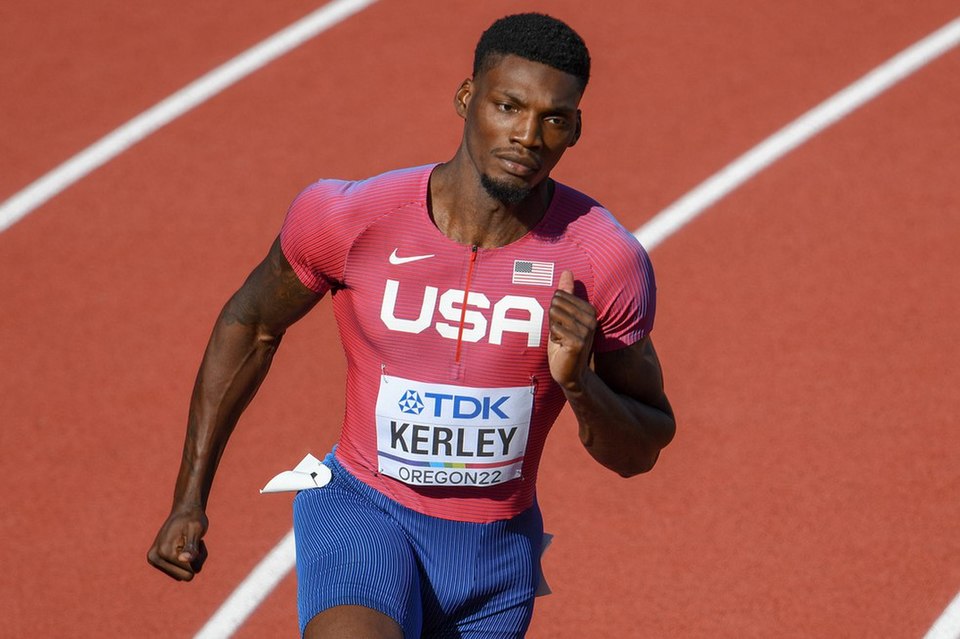
But this isn’t the first time that an enhanced event has taken place.
Despite not using PEDs, athletics experienced an assisted time as Justin Gatlin used wind machines to help break Usain Bolt’s world record, running a time of 9.54 seconds, though most completely discarded it, which could be a similar outcome for D’Souza games.
But the question that many people involved in sport will inevitably asking is “is this actually safe?”
Infographic: Alex Ridout via Canva
The Independent Medical Condition that are working alongside the Enhanced Games have ensured that the safety of the athletes is to be the main priority, which they claim is “instilling confidence in both competitors and the public” via the games’ website.
Sports science lecturer at Liverpool John Moores University Neil Chester, gave his views on what the potential health issues of the games could be.
He said: “We don’t have the evidence or information to demonstrate that they’re safe, not in terms of long-term use.
“So, it’s okay saying that they will monitor athletes’ health, but that’s very short term.
“It’s what it’s saying to the general public and that’s a massive issue.”
Chester stated that he has seen some notable fatalities during his time working on cases involving both image and performance enhancing drugs, whilst also comparing the cardiovascular system of takers to that of someone who is ageing or who has congenital disease.
Though, he also emphasised that some of the effects of the drugs are reversable.
Chester also provided his opinions on the event, whether it’s something that could last past 2026, and what it means for anti-doping supporters.
He said: “I’m an anti-doping advocate, so I’m clearly not in favour of it.
“I’ve seen this sort of coming for a long time, or at least I’ve questioned them.
“Whether anti-doping is something that can exist in the future and I guess it maybe it’s coming a little earlier than I expected but yeah, interesting would be the word.”
But it’s not just the effect on athletes that has many concerned about the long-lasting legacy of the games.
With it free to watch via the Enhanced Games YouTube page, organisers will be hoping to attract a large audience, especially from a younger demographic.
Former long-distance runner and athletics coach at Cardiff Amateur Athletics Club Steve Knight, expressed his concerns about how the games could negatively impact kids that are involved in sport.
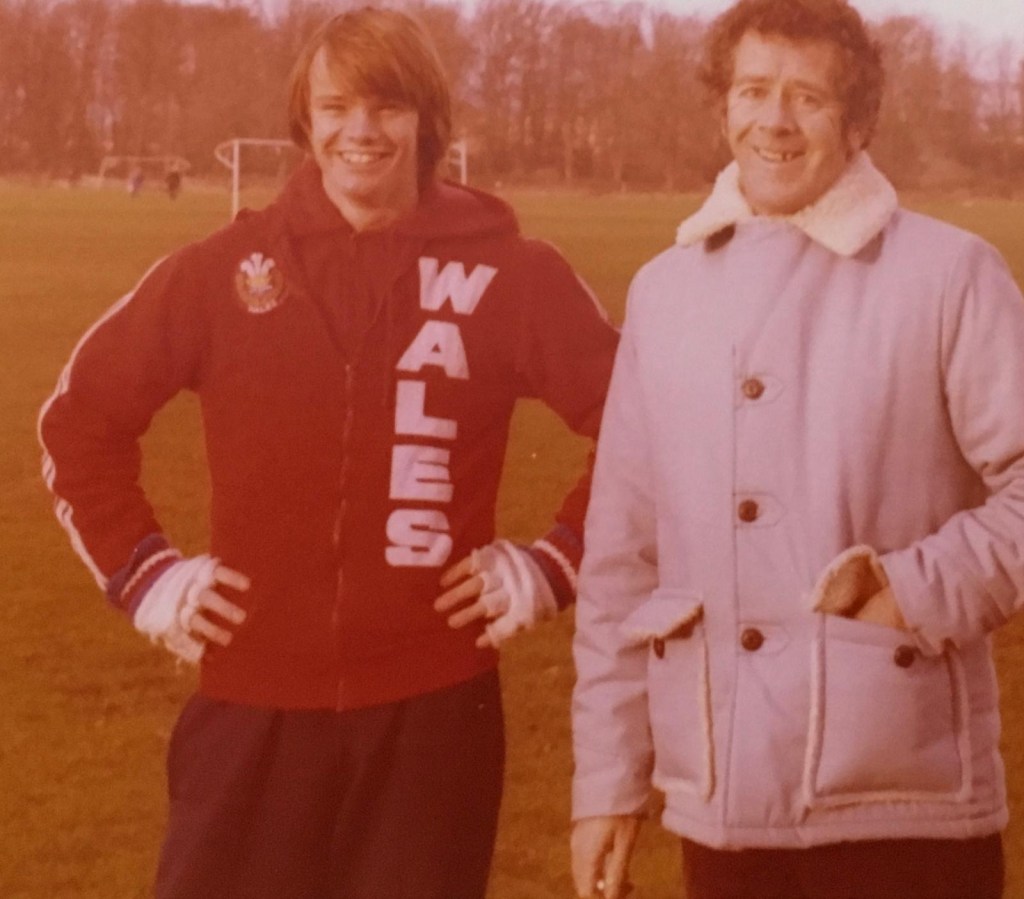
He said: “I’m hoping that it will pass by and not have any influence on the kids at all.
“But at the same time as a coach, you practice what you preach, be clean.
“You don’t gain from being a cheater, basically.”
Knight also presented his view on the Enhanced Games and whether it aligns with the morals of traditional sport.
He said: “Personally, I don’t think it’s a good thing.
“It’s on number of levels really.
“It’s the moral one where you’re rewarded people for cheating?
“Secondly, there’s the health one as well and if athletes are putting themselves at risk by taking drugs?”
With the games less than one month away, awareness will start to peak as media coverage heightens, but will it be all positive?
Caption of featured image – Enhanced Games official logo: via official Facebook page of the Enhanced Games

